

VOCABULARY · HSK 2

HSK 2 Chinese vocabulary

5 words12 min

Simplified headwords + traditional formsPinyin, audio, meanings, and examples

VOCABULARY · HSK 3.0 · LEVEL 2

200 words to explore

Browse the HSK 2 3.0 vocabulary list: 200 entries introduced at this level. Search by Chinese, Pinyin, or English.

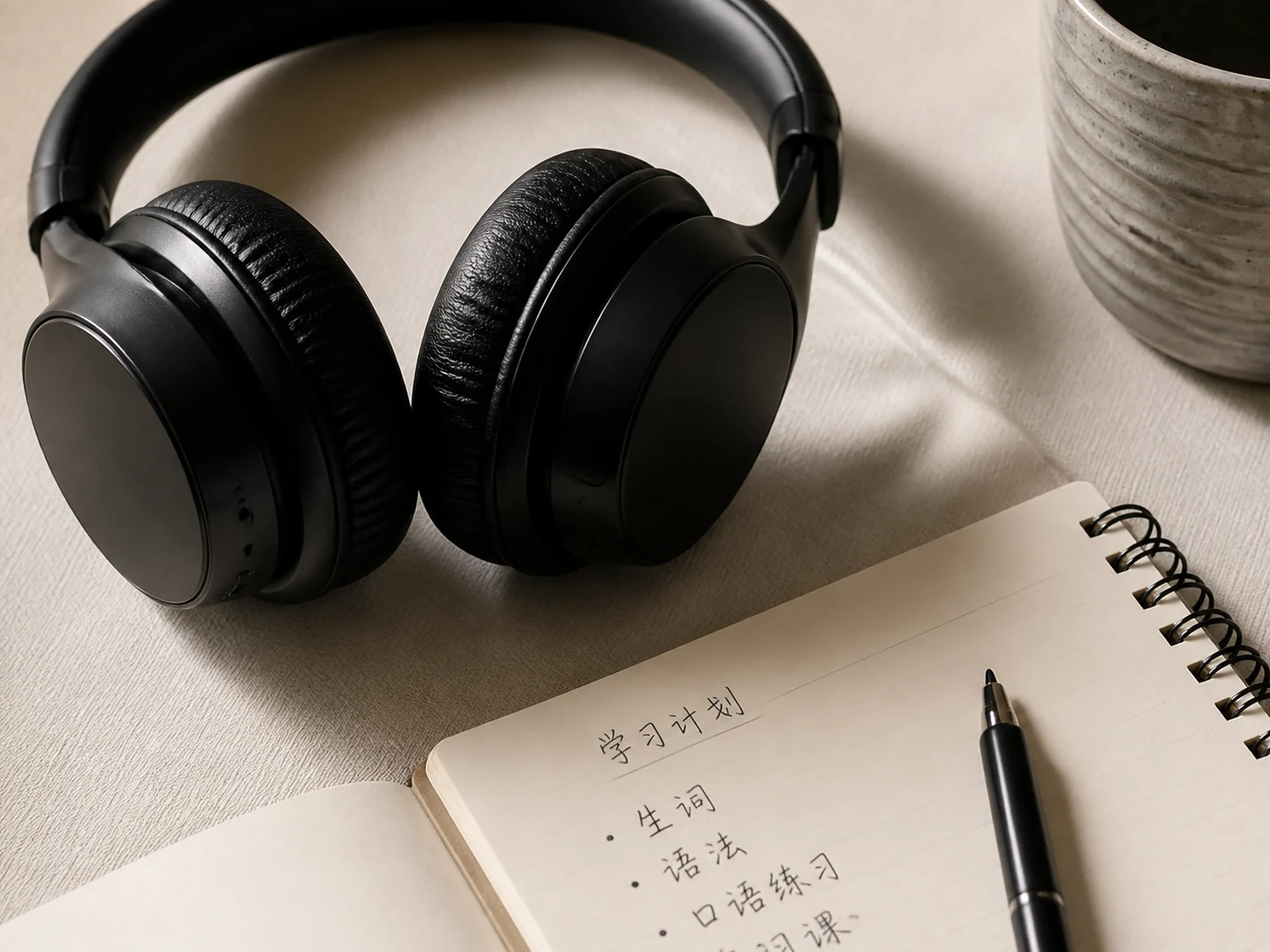
Headphones, a notebook, and a pen ready for a focused Chinese study session
Current word · 0 of 200 HSK 2 HSK 2 · WORD 200 words in this HSK 3.0 collection
安静 ānjìngADJECTIVE

quiet · calm

IN CONTEXTMeaning in motion
请安静一点儿。 Qǐng ānjìng yìdiǎnr. Please be a little quieter.

How it’s used

Use it to describe a person, thing, or situation.

Select an action when you are ready.

THE LIBRARY

Explore the complete level

200 words in HSK 2

啊aparticleparticle 爱好Traditional愛好àihàon.hobby; an interest; fancy 白色báisèn.white; the color white 班bānmulti, (measure word) 帮Traditional幫bāngv.help 帮忙Traditional幫忙bāngmángmultihelp; give a helping hand; do a favor; lend a hand 包bāon.bag 本子běnzin.notebook 比bǐprep.used to make comparison 笔Traditional筆bǐmulti, (measure word) 别Traditional別biéadv.don't 不错Traditional不錯búcuòadj.pretty good; not bad 不好意思bù hǎoyìsimultiphrase. sorry; excuse me 长Traditional長chángadj.long 车站Traditional車站chēzhànn.station 出chūv.exit; go out 出国Traditional出國chūguóv.go abroad 出来Traditional出來chūláiv.come out 出门Traditional出門chūménv.go out 出去chūqùv.go out 床Traditional牀chuángn.bed 词Traditional詞cín.word 次cìmulti, (adj.) 从Traditional從cóngmulti, (adv.) 从小Traditional從小cóngxiǎoadv.from childhood 错Traditional錯cuòadj.wrong; incorrect 打dǎv.hit; make 打车Traditional打車dǎchēv.take a taxi 打开Traditional打開dǎkāiv.open 但dànmulti, (adv.) 但是dànshìconj.but 得demultiarker of complement 地demultiarker of adverbial 等děngmulti, (prep.) 地铁Traditional地鐵dìtiěn.subway 点Traditional點diǎnmulti, (n., mw.) 懂dǒngv.understand 动Traditional動dòngv.move 饭馆Traditional飯館fànguǎnn.restaurant 飞Traditional飛fēiv.fly 高gāoadj.tall; high 高中gāozhōngn.senior high school 告诉Traditional告訴gàosuv.tell 个子Traditional個子gèzin.height 跟gēnmulti, conj., (n., v.) 公交车Traditional公交車gōngjiāochēn.bus 过Traditional過guòmultisa. used after a verb, referring to sth. that happened previously 过来Traditional過來guòláiv.come over 过年Traditional過年guòniánv.celebrate the New Year 过去Traditional過去guòqùn.in the past 过Traditional過guomultisa. used after a verb, referring to sth. that happened previously 还是Traditional還是háishiadv.still; all the same 黑色hēisèn.black; the color black 红茶Traditional紅茶hóngchán.black tea 红色Traditional紅色hóngsèn.red; the color red 后面Traditional後面hòumiànn.at the back; in the rear; behind 花huāv.spend 花huāmulti, (adj.) 画Traditional畫huàv.draw; paint 坏Traditional壞huàiadj.bad; evil 回来Traditional回來huíláiv.come back 回去huíqùv.go back 机场Traditional機場jīchǎngn.airport 机票Traditional機票jīpiàon.plane ticket 记得Traditional記得jìdev.remember; learn by heart 间Traditional間jiānmw.(n.) 教jiāov.teach 教室jiàoshìn.classroom 介绍Traditional介紹jièshàov.introduce sb. or sth. 进Traditional進jìnv.enter 近jìnadj.close; near 进来Traditional進來jìnláiv.come in 进去Traditional進去jìnqùv.go in 经常Traditional經常jīngchángadv.often 酒店jiǔdiànn.hotel 就jiùadv.(prep.) 咖啡kāfēin.coffee 开始Traditional開始kāishǐv.start; begin 开学Traditional開學kāixuév.school starts 考kǎov.take an exam 考试Traditional考試kǎoshìn.examination / take a test 可能kěnéngaux.may; can 裤子Traditional褲子kùzin.trousers; pants 快kuàiadj.fast 快乐Traditional快樂kuàilèadj.happy; joyful; cheerful; glad 快要kuàiyàoadv.be about to 篮球Traditional籃球lánqiún.basketball 累lèiadj.tired; fatigued 离Traditional離líprep.away from 里面Traditional裏面lǐmiànn.inside 楼Traditional樓lóun.building 路lùn.road 路上lùshangn.on the way 旅游Traditional旅遊lǚyóuv.travel 绿茶Traditional綠茶lǜchán.green tea 绿色Traditional綠色lǜsèn.(adj.) 慢mànadj.slow 没意思Traditional沒意思méi yìsiadj.boring 每měipron.(adv.) 门Traditional門ménn.exits and entrances; doorways 门口Traditional門口ménkǒun.doorway; entrance 门票Traditional門票ménpiàon.admission ticket 面Traditional麪miànmultisuffix, (v., n., mw.) 名míngmw.used for people 拿náv.hold; take 那么Traditional那麼nàmepron.so; such 那样Traditional那樣nàyàngpron.like that; that way 奶茶nǎichán.milk tea 奶奶nǎinain.grandmother 男孩儿Traditional男孩兒nánháirn.boy 鸟Traditional鳥niǎon.bird 女孩儿Traditional女孩兒nǚháirn.girl 旁边Traditional旁邊pángbiānn.side; by the side of; nearby 跑pǎov.run 跑步pǎobùv.run; jog 票piàon.ticket 妻子qīzin.wife 起来Traditional起來qǐláiv.used after a verb to indicate direction or trend 前面qiánmiànn.before; in front; at the head; ahead 晴qíngadj.fine; clear 球qiún.ball 让Traditional讓ràngmulti, (prep.) 肉ròun.meat 商场Traditional商場shāngchǎngn.shopping mall 上来Traditional上來shàngláiv.come up 上面shàngmiànn.above; on top 上去shàngqùv.go up 上网Traditional上網shàngwǎngv.get online 身体Traditional身體shēntǐn.body (of a human or animal) 生日shēngrìn.birthday 时Traditional時shímulti, (mw.) 事情shìqingmultimatter; business; circumstance; event; affair;incident; occurrence 手shǒun.hand 手表Traditional手錶shǒubiǎon.wrist watch; watch 书包Traditional書包shūbāon.schoolbag 舒服shūfuadj.pleased; comfortable 送sòngv.give sb. sth. as a gift 虽然Traditional雖然suīránconj.although 所以suǒyǐconj.so; therefore 疼téngmulti, (v.) 踢tīv.kick 题Traditional題tín.questions, problems (in a test or a quiz) 条Traditional條tiáomultieasure word, (n.) 跳舞tiàowǔmultisv. dance 头Traditional頭tóumulti, (measure word), (adj.) 外国Traditional外國wàiguón.foreign country 外面wàimiànn.outside 完wánv.indicating finished; be used up; run out 万Traditional萬wànnum.ten thousand 往wǎngprep.to; toward 网上Traditional網上wǎngshangn.online; on the internet 忘wàngv.forget 位wèimw.used for people 为什么Traditional爲什麼wèi shénmepron.why 希望xīwàngv.hope; wish; want; be desirous of 洗xǐv.wash 洗手间Traditional洗手間xǐshǒujiānn.toilet; washroom; bathroom 下来Traditional下來xiàláiv.come down 下面xiàmiànn.below; under 下去xiàqùv.go down 小孩儿Traditional小孩兒xiǎoháirn.child 小时候Traditional小時候xiǎoshíhoun.childhood 笑xiàov.laugh; smile 姓xìngn.surname 姓名xìngmíngn.full name 颜色Traditional顏色yánsèn.color 眼睛yǎnjingn.eye 药Traditional藥yàon.medicine 药店Traditional藥店yàodiànn.pharmacy 爷爷Traditional爺爺yéyen.grandfather, also used as a title of respect for an old man 一会儿Traditional一會兒yíhuìrmulti/measure word, (adv.) 已经Traditional已經yǐjīngadv.already; yet 一起yìqǐadv.together 意思yìsin.meaning; content; indication; hint 阴Traditional陰yīnadj.cloudy; overcast 因为Traditional因爲yīnwèiconj.because 游Traditional遊yóuv.swim 游泳yóuyǒngv.swim 有意思yǒu yìsiadj.interesting 有时Traditional有時yǒushíadv.sometimes 右yòun.right side 右边Traditional右邊yòubiann.right; right side 鱼Traditional魚yún.fish 远Traditional遠yuǎnadj.far 运动Traditional運動yùndòngv.take exercise 站zhànv.stand 丈夫zhàngfun.husband 这么Traditional這麼zhèmepron.this; like this 这样Traditional這樣zhèyàngpron.like this; this way 着zhemultisa.used after a verb, indicating that the action starts and continues 正zhèngmulti, (adj.) 周Traditional週zhōumulti, (measure) 准备Traditional準備zhǔnbèiv.be going to; intend; plan; prepare 自己zìjǐpron.oneself; self; one's own 走zǒuv.walk; go on foot 走路zǒulùv.walk 足球zúqiún.football; soccer 最zuìadv.the most 左zuǒn.left side 左边Traditional左邊zuǒbiann.left; left side
HSK 2 word counts, versions and study tips

What does this HSK 2 3.0 vocabulary list include?

This collection contains the 200 words introduced at Level 2 in the November 2025 HSK 3.0 syllabus, not the cumulative 500 entries across Levels 1–2. Review earlier levels as well when studying the full range.

Search by Chinese, Pinyin or English, open a word for its pronunciation and example, then continue with HSK 3.0 Level 2 practice. English meanings, examples and audio are HSKBase learning aids, not official exam material.

Studying HSK 2.0? Select that version in the vocabulary browser. The two versions are not interchangeable; match your study list to your booked exam. Use the version comparison to review differences.

Source checked 2026-10-13: CTI HSK 3.0 syllabus. The source's publication date does not determine your booked exam version.

HSK 2 vocabulary with Pinyin, English and pronunciation: study routine

Use this HSK 2 3.0 vocabulary list in context

Search the list above by Chinese, Pinyin or English. Open a word to hear its learning pronunciation and inspect the example before practising recall. Pinyin and translations support understanding; hide them when checking what you can retrieve.

Recall words in a short exchange

Choose words for a time, a place and an action. Make a question and an answer using them. Change the time or place and try again without reading the original example.

These are HSKBase study suggestions, not official exam tasks. The default collection uses HSK 3.0; selecting HSK 2.0 changes the vocabulary source, not just the label. Use the existing version selector rather than combining both lists.